We have collected our observations and conclusions from the campaign in the form of an e-book. Download it here: Building a social campaign based on Debutants23.
So far, we have invited guests to press breakfasts. In the fall of 2023, we organized pre-election debates for the first time. We usually fight for interviews and publications. This time we fought for high voter turnout. We usually build customer relationships with partners. This year, Profeina built a bridge between young voters and candidates with a green and clean-air program. What was the Debutants '23 campaign really about?
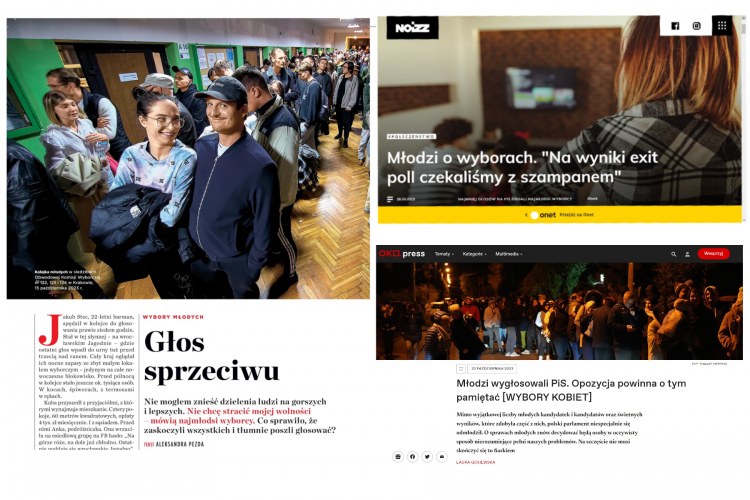
Election night on October 15 brought many surprising results. This is certainly one of them record attendance – for the first time, almost 3/4 of Poles went to vote. The most impressive thing was the increase in interest in elections among the young generation - in the 18-29 age group, voter turnout increased from 46% in 2019 to 71% this year!
Interestingly, in the latest study by the Batory Foundation, as many as 78% of respondents said that turnout campaigns encouraged them to vote. Just how necessary they were can be seen in one of the key results of the Debutants '23 report - prepared by the PR agency Profeina together with researchers from the Twenties - in June, only 43% of people who received the right to vote for the first time were sure that they would use it, and another 25% claimed that they would "rather" take part in the elections.
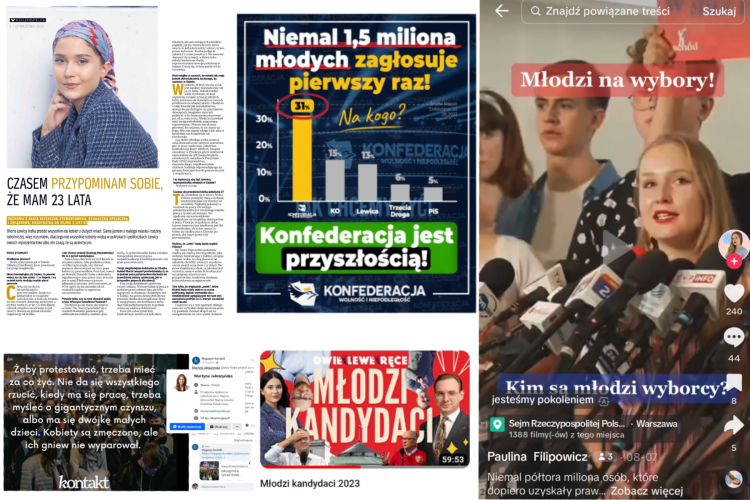
But campaign that launched with publication of the "Debutants '23" report about the attitudes of 1.5 million young Polish men and women debuting on the political scene, was something slightly different than just an action encouraging people to vote.
We carried out activities in cooperation with Clean Air Fund, an international non-profit organization working to systematically solve air quality problems. The election campaign was the perfect moment to check how important this topic is for both first-time voters and politicians running for parliament.
Our goal was to connect these two groups: candidates for whom clean air and other environmental issues are important, and young voters who will look for their representatives in the elections. The idea was to show the candidates what young people expect (not only in terms of age - also mentally) so that politicians running in the elections would be willing to approach them with specific proposals.
How did we do it? Step by step.
STEP 1: REPORT
Naturally, there were already other projects examining the young generation, but our idea to focus on first-time voters (aged 18-21) in connection with the upcoming elections was very fresh. He created a new, original narrative for the media.
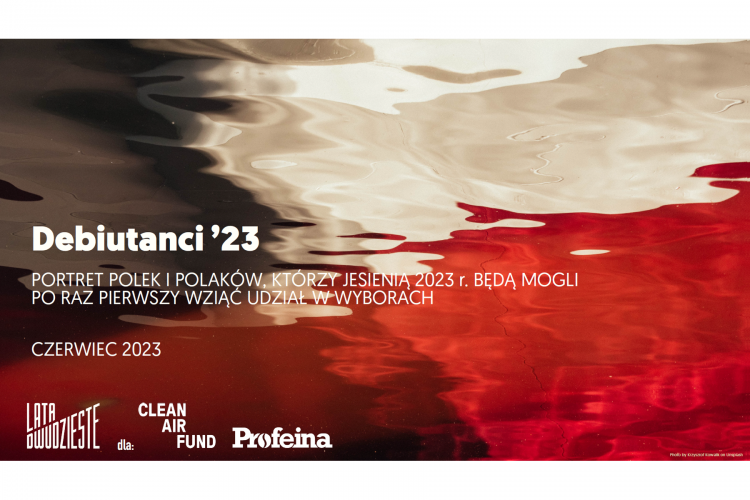
The study itself was carefully conducted by the Lata Twenties agency. It consisted of a qualitative and quantitative analysis of a research survey on a group of 1,000 young people. The resulting report, titled "Debutants '23", apart from being a good PR tool, is a valuable source of knowledge about young adults for political decision-makers.
- Love, health, family and friendship – these are values shared by the majority of respondents to the Debutants '23 survey. Young voters indicated them as the most important much more often than faith and patriotism, tolerance and ecology, or prestige and wealth.
- The dominant attitudes in this group are: frustration with the political situation in Poland (80%), concerns about inflation and the cost of living (72%), anxiety about entering adult life (63%) and concern for the state of the planet and the environment (59%). The respondents repeatedly expressed concern about their own and their loved ones' mental condition.
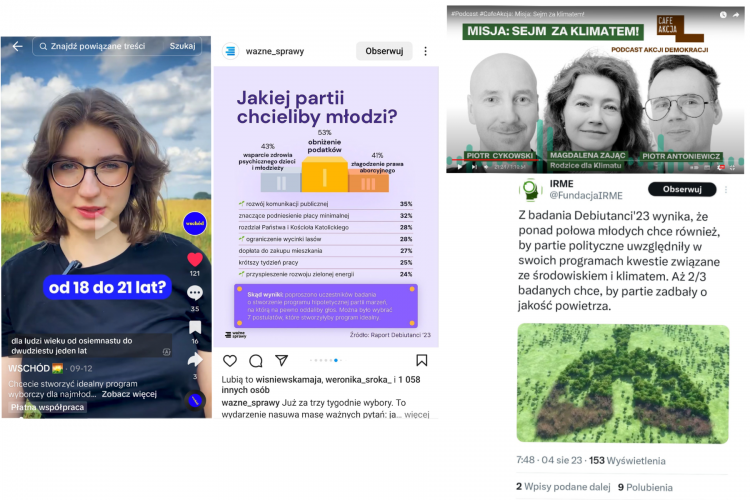
- Young people are not fascinated by ecology as an idea itself, but many of the needs they express are green demands – one of the most popular is cheap and accessible public transport (35%), and almost half would like to live in a 15-minute city (i.e. one in which the most important services, such as schools, shops, health clinics, are available within a 15-minute walk or bike ride from housing estates).
STEP 2: NARRATIVE
The study results were very complex and sometimes internally inconsistent. But no wonder - after all, they described an entire generation composed of very diverse people and groups with sometimes opposing motivations. Therefore, by publishing the report online and allowing each person to freely select individual results to suit their own thesis, we risked that dozens of contradictory stories would be created based on it. Therefore, with the report we provided press releases and expert commentary that shaped the narrative and made it difficult to misinterpret the results.
We communicated the results in a way that was both alarming and hopeful. The authors of the report - from Profeina and the Twenties - were personally involved in promoting the research results in the media.
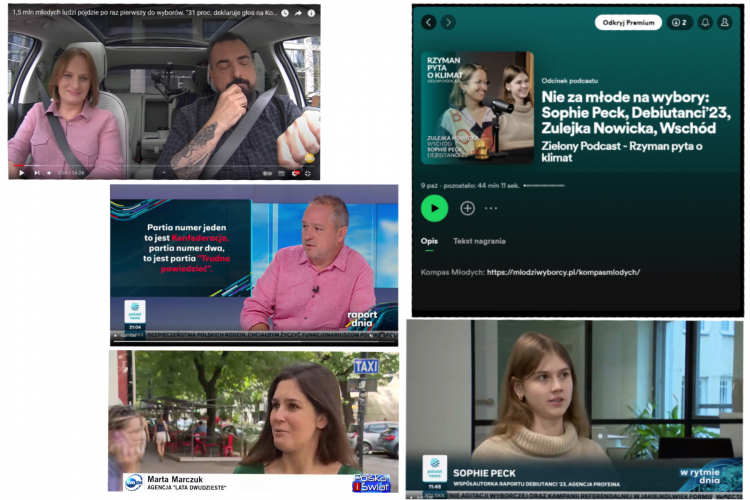
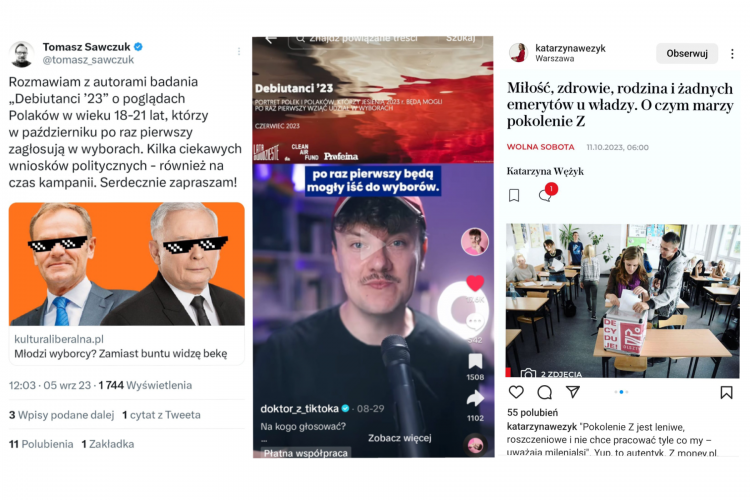
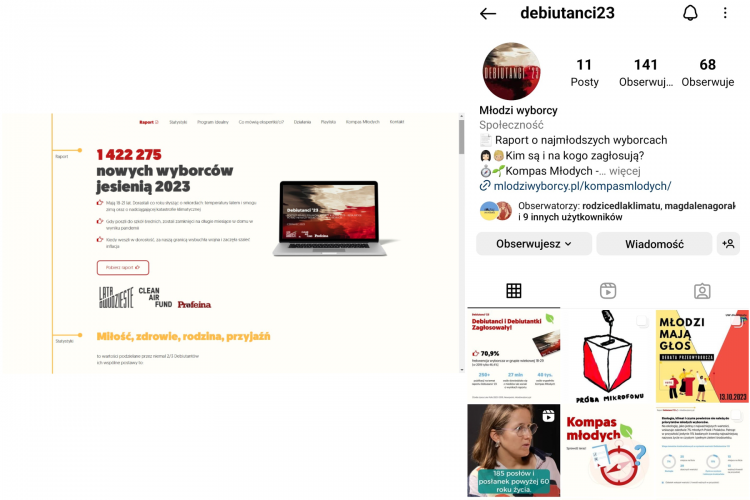
Creating a website with the most interesting research results and expert comments on them turned out to be a good move. After it turned out that some content related to the report was published on social media and users preferred not to leave the application, we decided to quickly create an extension of our Instagram page. This allowed users to interact with us and follow the campaign more easily.
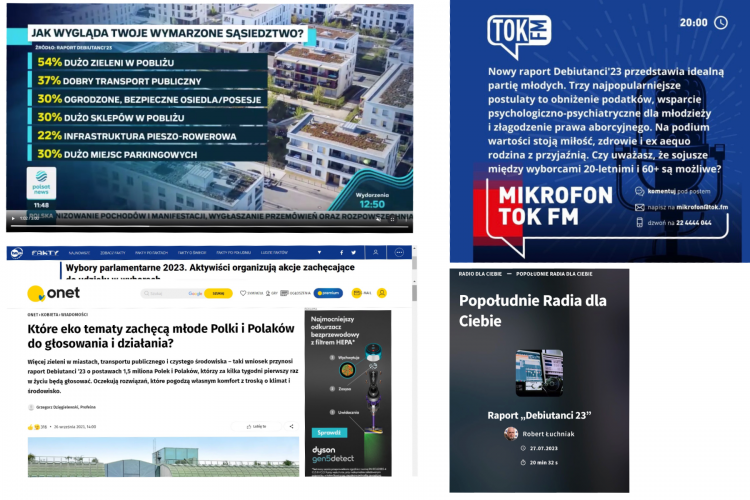
Communication activities took place mainly on the Internet, although our messages also appeared in traditional media. The report's agenda was most willingly passed on by mainstream titles with a wide reach. The campaign was covered, among others, by: by Onet, Gazeta Wyborcza, TVN, Polsat, Rzeczpospolita and Radio TOK FM.
STEP 3: VOICE OF A GENERATION
One of the challenges we faced was the age difference: Can the report's creators, who are mostly millennials, be seen as a credible voice when talking about youth? (even with professional research on it)? We managed to solve this by engaging non-governmental organizations and environmental movements, mainly young people, to promote the report and its findings.
We turned it on 8 non-governmental organizations and social movements: East Initiative, Youth Climate Strike, Parents for Climate, Impuls Foundation, Dom Spokojnej Młodości, More in Common, Center for Civic Education, Democracy Action.
It also took place 7 events at which we (or our partners) were speakers: Regeneration Congress, INSUMMIT, EFNI, Slot Art Festival, Pol'and'Rock Festival, Erasmus Mission in Poland, Generation Bridges: Regeneration Time.
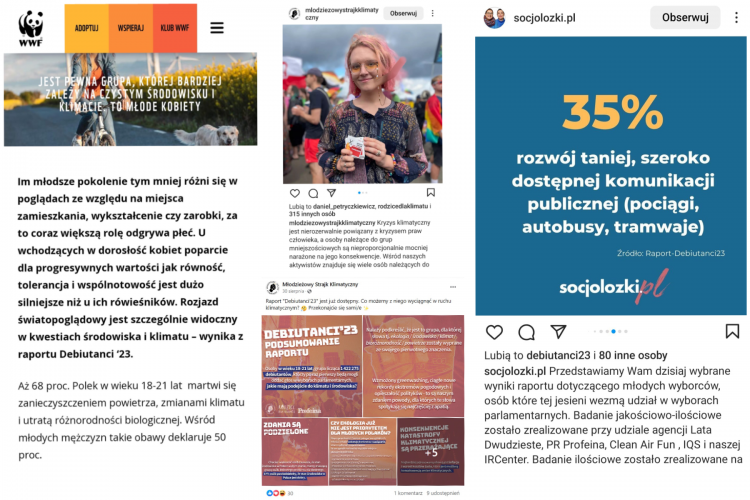
Challenges? Many media outlets focused heavily on the political preferences of first-time voters, even though the vast majority of the report focused on their attitudes toward social and environmental issues. Bringing this information to the forefront often required arranging paid publications and collaboration with climate movements.
STEP 4: CALL POLITICIANS TO THE BOARD
Youth Compass
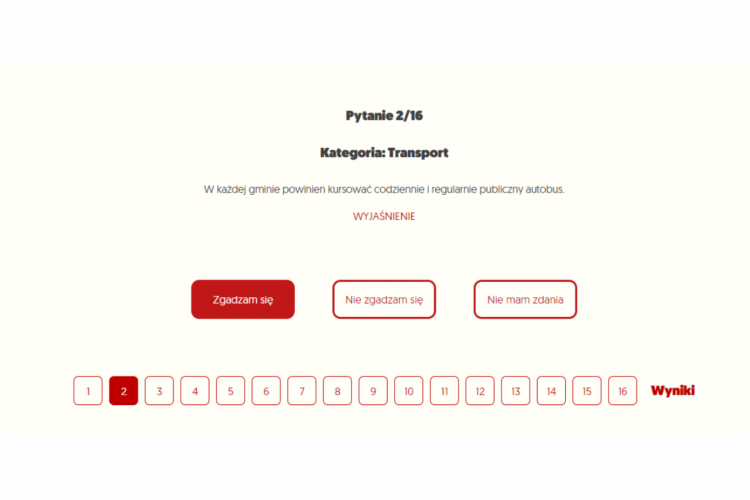
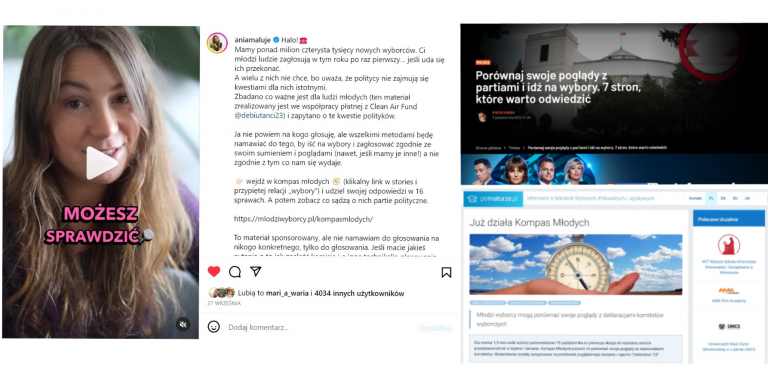
Conducting the study allowed us to isolate topics important to young voters - including their attitude to the clean air agenda and environmental protection. With this knowledge, we were able to create an online test based on the results of the Youth Compass report that checks the extent to which voters' opinions are consistent with the programs of specific parties.
When preparing the Youth Compass, we asked the election committees 16 questions, 10 of which concerned topics related to air quality. Five of the six national electoral committees answered our questions. The committees had the opportunity to add their comments to the responses.
Pre-election debates and interviews
The report also served as an inspiration for three pre-election debates and allowed moderators to ask questions about green issues important to young voters that were not usually raised in other debates.
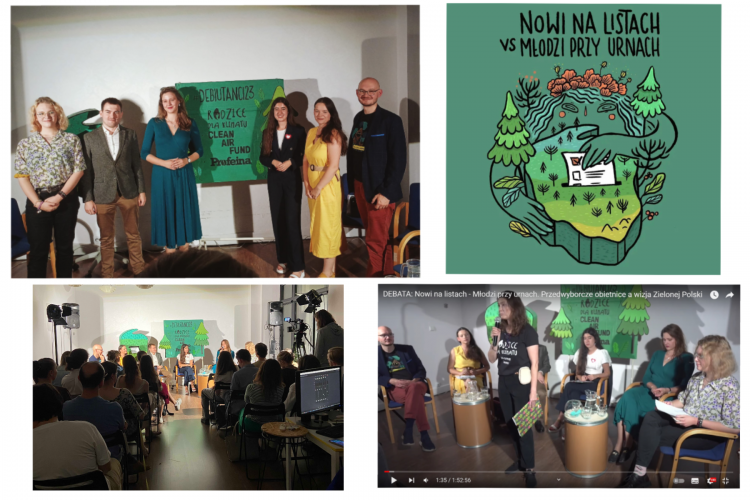
On September 27, Profeina, together with Parents for Climate and the Youth Climate Strike, organized debate at the "Gniazdo" Climate Activism Center in Warsaw (also broadcast online).
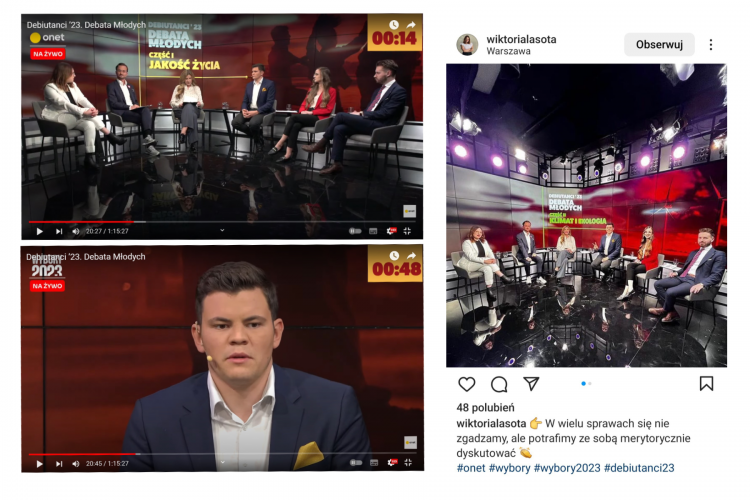
On October 11, we organized online debate on Onet.pl with young candidates. As an interesting fact, one of its participants, Adam Gomoła, was elected as the youngest member of parliament of the 10th term of office of the Sejm.
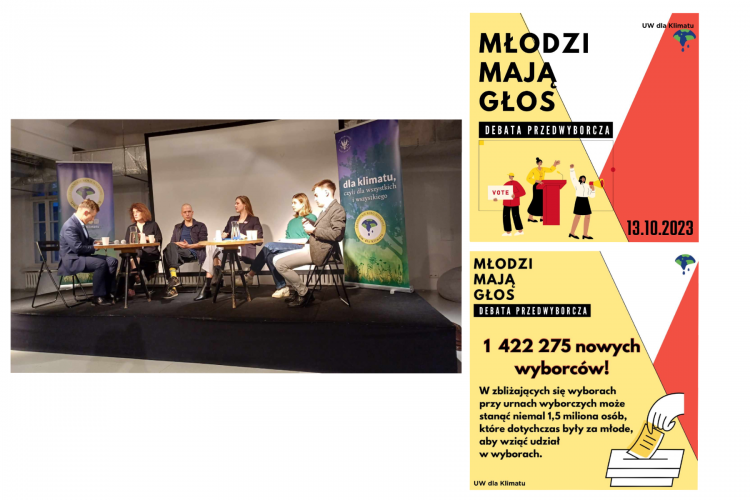
October 13, together with the Student Scientific Club of the University of Warsaw "UW Dla Klimatu" and five magazines from the "Spiecie" project – Kontakt Magazine, Jagiellonian Club, Krytyka Polityczna, Kultura Liberalna and Nowa Konfederacja – we organized a debate of candidates and journalists in the Dreamers and Craftsmen space in Warsaw (also broadcast online).
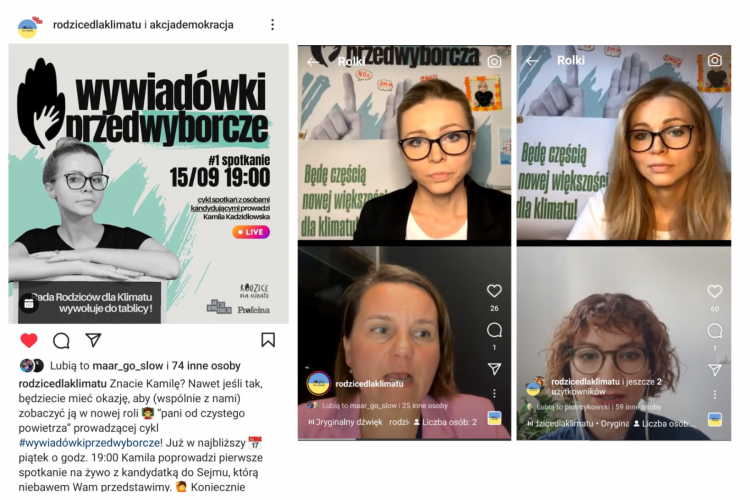
It took place in September and October 8 online pre-election interviews on clean air, conducted on Instagram by Parents for Climate and Akcja Democracy.
Five of the eight candidates interviewed were elected to the new parliament:
- Alicja Chybicka (PO),
- Joanna Mucha (Poland 2050),
- Krzysztof Kwiatkowski,
- Urszula Zielińska (Greens),
- Daria Gosek-Popiołek (Together).
STEP 5: RESULTS
Media campaign:
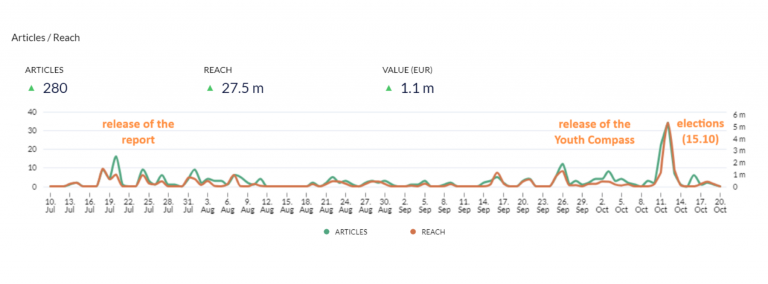
- 280+ publications
- 27.5+ million reach
Website mlodziwyborcy.pl
- 33,500 people visited the main page
- 2,000 people downloaded the report
- 40,000 people completed the Youth Compass
Involvement of "young" non-governmental organizations and ecological activists
- 8 social movements involved in promoting the report and its environmental agenda
Pre-election debates
- 2 offline debates organized together with social movements and students
- 1 online debate with Onet.pl: almost 1 million views!
- 8 pre-election online interviews on clean air with famous politicians
Political declarations on air quality issues important to young voters:
- 5 out of 6 national electoral committees answered our questions (all except PiS)
- 5 committees agreed to increase funding for public transport and declared support for the creation of School Streets, green buffer zones and restrictions on car traffic and parking in the vicinity of educational institutions
- The 4 committees agreed that the development of renewable energy in Poland and the modernization of the energy network should be accelerated
- 2 committees (Left and Third Road) agreed that roads in cities should be narrowed in favor of sidewalks and bicycle paths
- 1 committee (Left) agreed that combustion and petrol vehicles should be replaced by electric vehicles, both in the public and private sectors
And the last effect to which we contributed: young people overwhelmingly (63%) voted for parties that included clean air issues in their electoral programs. These parties will form the next Polish government.
We have collected our observations and conclusions from the campaign in the form of an e-book. Download it here: Building a social campaign based on Debutants23.
Authors of the campaign:
Bartosz Dąbrowski
Grzegorz Dzięgielewski
Sophie Peck
Zuzanna Szybisty
Weronika Sroka (debutante:)